

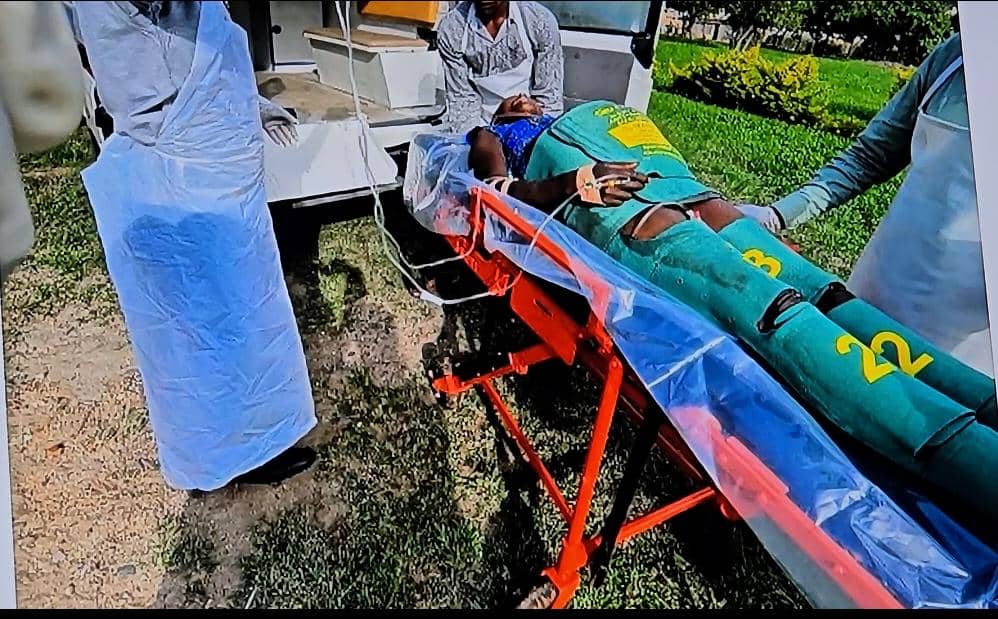
A simple, low-cost medical device, the Non-pneumatic Anti-shock Garment (NASG), is transforming maternal healthcare in Uganda’s Ankole sub-region, offering a critical lifeline to women suffering from postpartum hemorrhage (PPH)—the leading direct cause of maternal death worldwide.
Modeled after anti-gravity suits developed by NASA, the NASG is a lightweight neoprene compression suit that acts as a first-aid device against severe bleeding after childbirth.
It works by applying counter-pressure around the patient’s lower body, redirecting blood to vital organs such as the heart, lungs, and brain.
In rural areas like Ankole, where timely access to emergency obstetric care is often limited, the NASG is proving to be a game-changer.
A midwife at Mbarara Regional Referral Hospital explained that “PPH can cause a woman to bleed out in under 30 minutes, but the NASG can stabilize her vital signs and buy up to 48 critical hours to reach a hospital and receive definitive treatment, like blood transfusions or surgery.”
Health facilities across Ankole, supported by global and local health partners, have increasingly adopted the device and trained their staff on its rapid application.
Earlier this year, the Rotary Club of Mbarara Ranchers donated 50 NASG garments to 45 health facilities, equipping midwives and clinical officers—often first responders in remote health centres—with this essential tool.
Daphine Kyarisima, a senior midwife at Mbarara Regional Referral Hospital, said, “Before the NASG, when a woman started bleeding heavily, the panic was immediate because we knew our options were limited if the nearest referral hospital was hours away. Now, we apply the garment, and she stabilizes almost instantly. It is a bridge—a vital, reusable bridge—to survival.”
During a recent visit to the hospital, Rotary District Governor for District 9214, Christine Kyeyune Kawooya, praised the club for its efforts.
“Maternal and child health is my signature project this year, and I am glad that a 46-member club of Mbarara Ranchers has equipped health facilities with NASG garments,” she said.
“I call upon more partners so we can benefit even more hospitals and health centers, saving both mothers and children.”
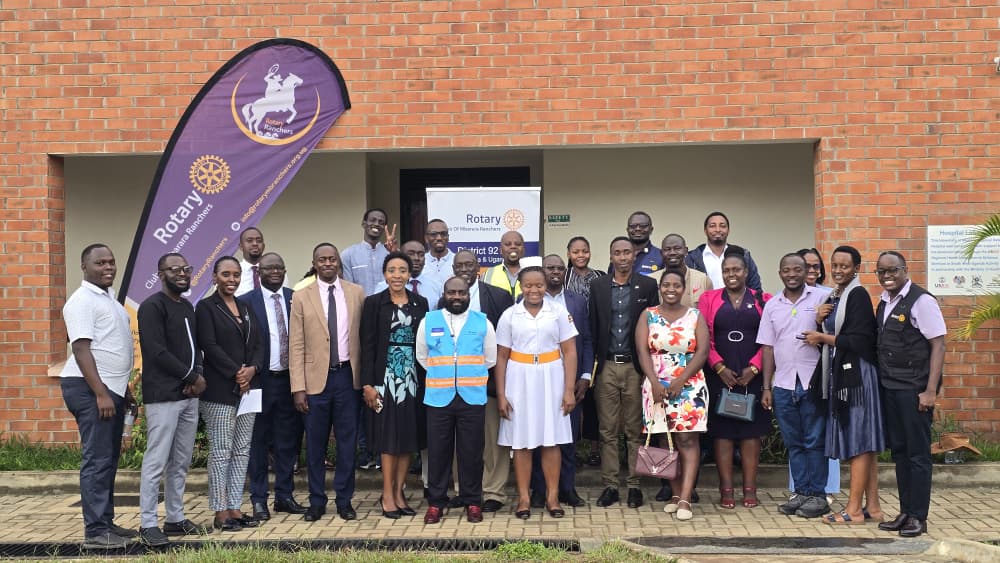
Dr. George Wasswa, an obstetrician-gynecologist at Mbarara Regional Referral Hospital, highlighted the impact of the devices on maternal survival.
“Out of 10 mothers referred here from lower units in shock, those who arrive wearing the NASG are far more likely to survive than those who don’t,” he said.
Allan Musasire, president of the Rotary Club of Mbarara Ranchers, noted that the 50 garments were distributed across 15 districts, benefiting 61 health centres.
He stressed the need for more NASG devices to ensure that each facility has at least two or three.
“Together with our partners—Medical Teams International, Mbarara Regional Referral Hospital, and the Rotary Club of Cambridge—we have successfully accomplished this project. We appeal to more partners to help us expand coverage so every facility can have multiple NASG garments,” Musasire said.
